Acupuncture in Flushing and Manhattan, NY
Acupuncture has been helping people feel better for thousands of years — and today, major medical organizations like the National Institutes of Health (NIH) and the American College of Physicians support it with strong scientific research. If you've been dealing with pain, stiffness, headaches, or stress and haven't found lasting relief, acupuncture may be the solution you've been looking for.
At Ma Kao Rehabilitation, our doctors are uniquely qualified to offer acupuncture because they are both medical physicians and trained acupuncturists. Dr. Daniel Kao is a certified acupuncturist and board-certified physician, and Dr. Keyan Ma has practiced acupuncture for over 40 years. You get the best of both worlds — ancient healing wisdom backed by modern medical expertise.
Does Acupuncture Really Work? What the Science Shows
Acupuncture is one of the most thoroughly researched therapies in the world. Major clinical studies have found:
- A large study combining nearly 18,000 patients across 29 clinical trials found acupuncture relieved chronic pain significantly better than standard medical care for back pain, neck pain, joint pain, and headaches.
- The American College of Physicians recommends acupuncture as a first-line treatment for chronic low back pain before opioid medications.
- The World Health Organization recognizes acupuncture as effective for more than 90 conditions.
- Brain scans during acupuncture sessions show measurable changes in how the brain processes pain.
- Studies show patients continue experiencing benefits up to a year after treatment.
Want to read the research? Visit our Acupuncture Research & Clinical Evidence page for the full list of citations and summaries.
How Does Acupuncture Work?
Traditional Chinese Medicine explains acupuncture as restoring the body's healthy energy flow, while Western medicine shows it activates natural healing mechanisms in the body.
Your body releases natural painkillers
Acupuncture stimulates nerves that signal the brain to release endorphins — the same natural chemicals responsible for the “feel-good” sensation after exercise.
Pain signals are blocked
Acupuncture activates certain nerve fibers that interfere with pain signals before they reach the brain, which is why many patients feel relief quickly.
Inflammation decreases
The body releases adenosine at the needle site, a compound known for strong anti-inflammatory and pain-relieving effects.
Your stress response relaxes
Acupuncture shifts the body from “fight-or-flight” mode into a relaxed healing state, reducing cortisol, lowering blood pressure, and improving sleep.
Tight tissue loosens and heals
Research from Harvard Medical School shows acupuncture gently affects connective tissue beneath the skin, helping reduce stiffness and restore mobility.
What Can Acupuncture Help With?
- Back pain and neck pain
- Sciatica
- Joint pain and arthritis
- Headaches and migraines
- Sports injuries
- Car accident and whiplash injuries
- Muscle tension and fibromyalgia
- Stress, anxiety, and sleep issues
- Carpal tunnel and repetitive strain injuries
- Pain after surgery
- Nerve pain and numbness
What to Expect — From Your First Call to Your First Treatment
Step 1: Insurance verification
Before your appointment, our in-house insurance team verifies your coverage so there are no surprises. Most major insurance plans, Medicare, Workers' Comp, and No-Fault insurance are accepted.
Step 2: Physician consultation
Your first visit begins with a one-on-one evaluation with one of our doctors. They review your medical history, evaluate your symptoms, and develop a personalized treatment plan.
Step 3: Treatment begins
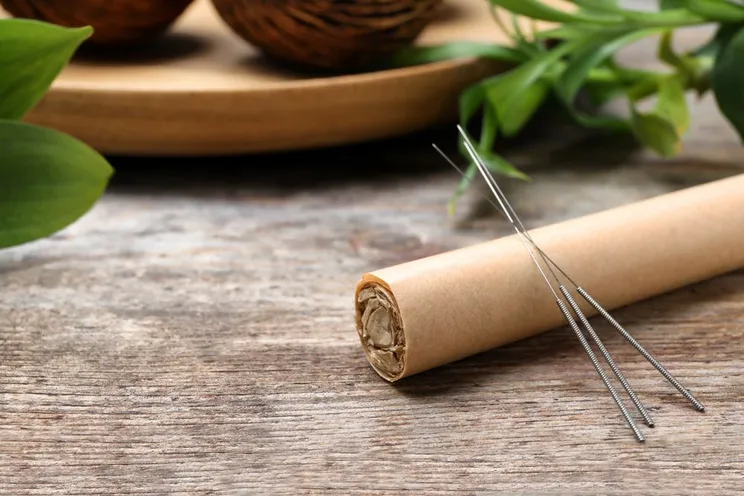
Acupuncture needles are extremely thin — about the width of a strand of hair. Most patients feel little to no discomfort. You may feel warmth, tingling, or pressure while relaxing during the session, which typically lasts 30 to 60 minutes.
Step 4: Progress tracking
After each session your doctor reviews your progress and adjusts treatment as needed. Chronic conditions often respond best to 6–12 weekly treatments, while acute injuries may improve faster.
